Marine Life & Wildlife of San Blas
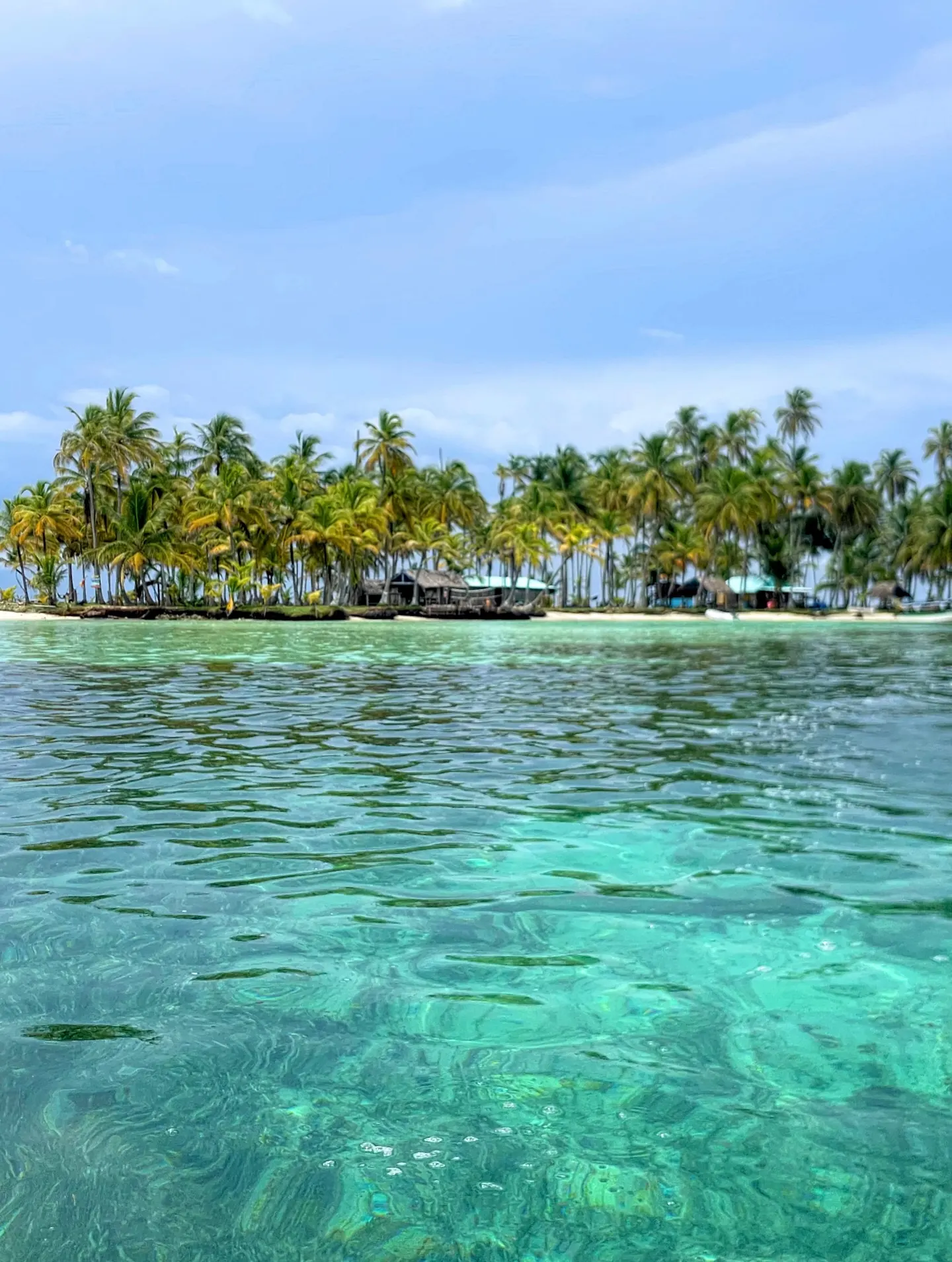
San Blas is not a big-animal destination, and any page that promises you turtles is selling something. The wildlife here is written small and close up: reef fish a metre below the surface, starfish on a sandbar you can stand on, coral you float over rather than dive to. Set your expectations at that scale and the archipelago delivers generously.
What lives in the shallows
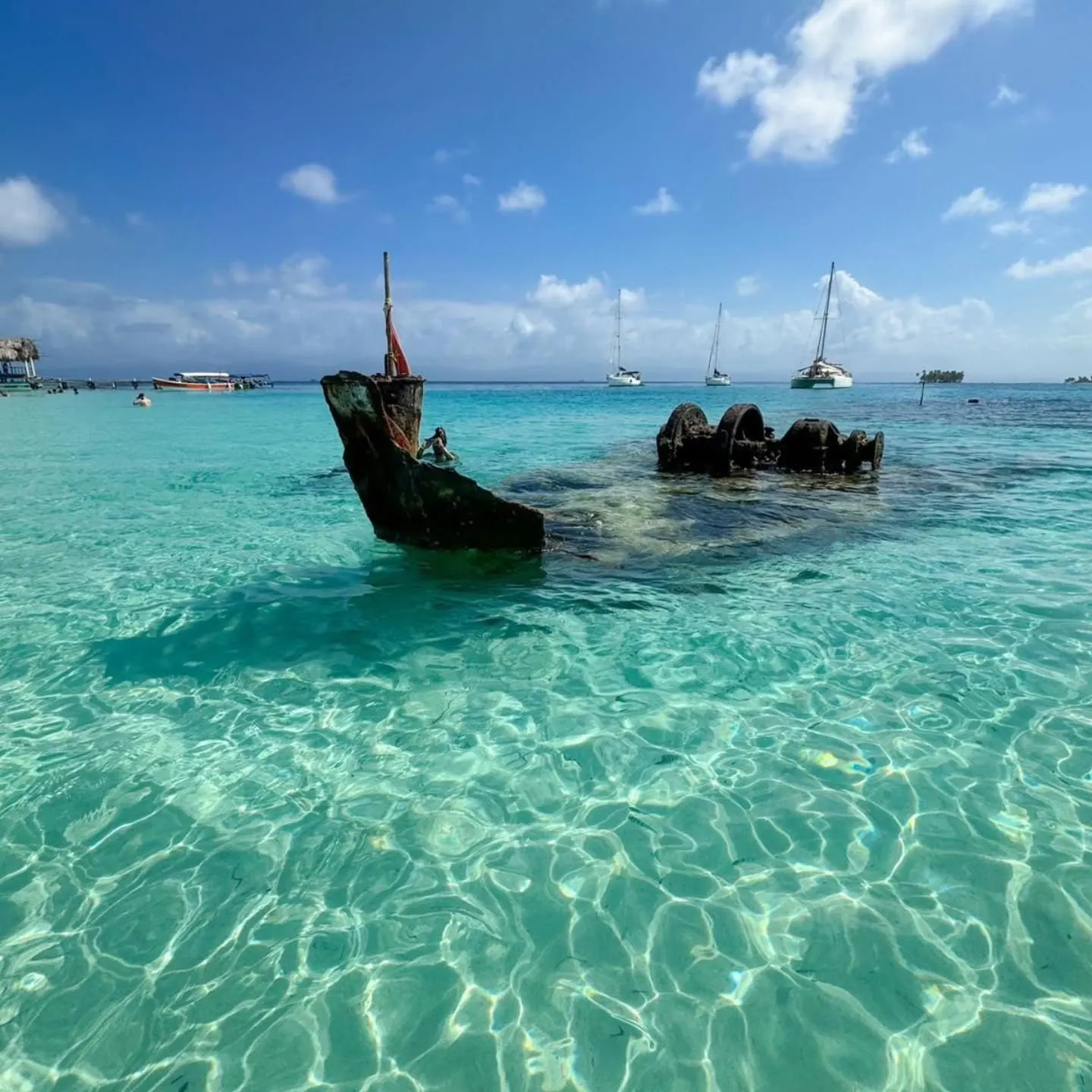
- Reef fish are the constant. Parrotfish, sergeant majors, angelfish and damselfish turn up on almost any snorkel stop, and are densest around coral patches and the sunken hull at Perro Chico, where structure gives them somewhere to live.
- Coral in San Blas includes both hard and soft formations. The healthiest sections are consistently the ones furthest from the mainland and from daily boat traffic, which is why the Dutch Cays reef has the reputation it does.
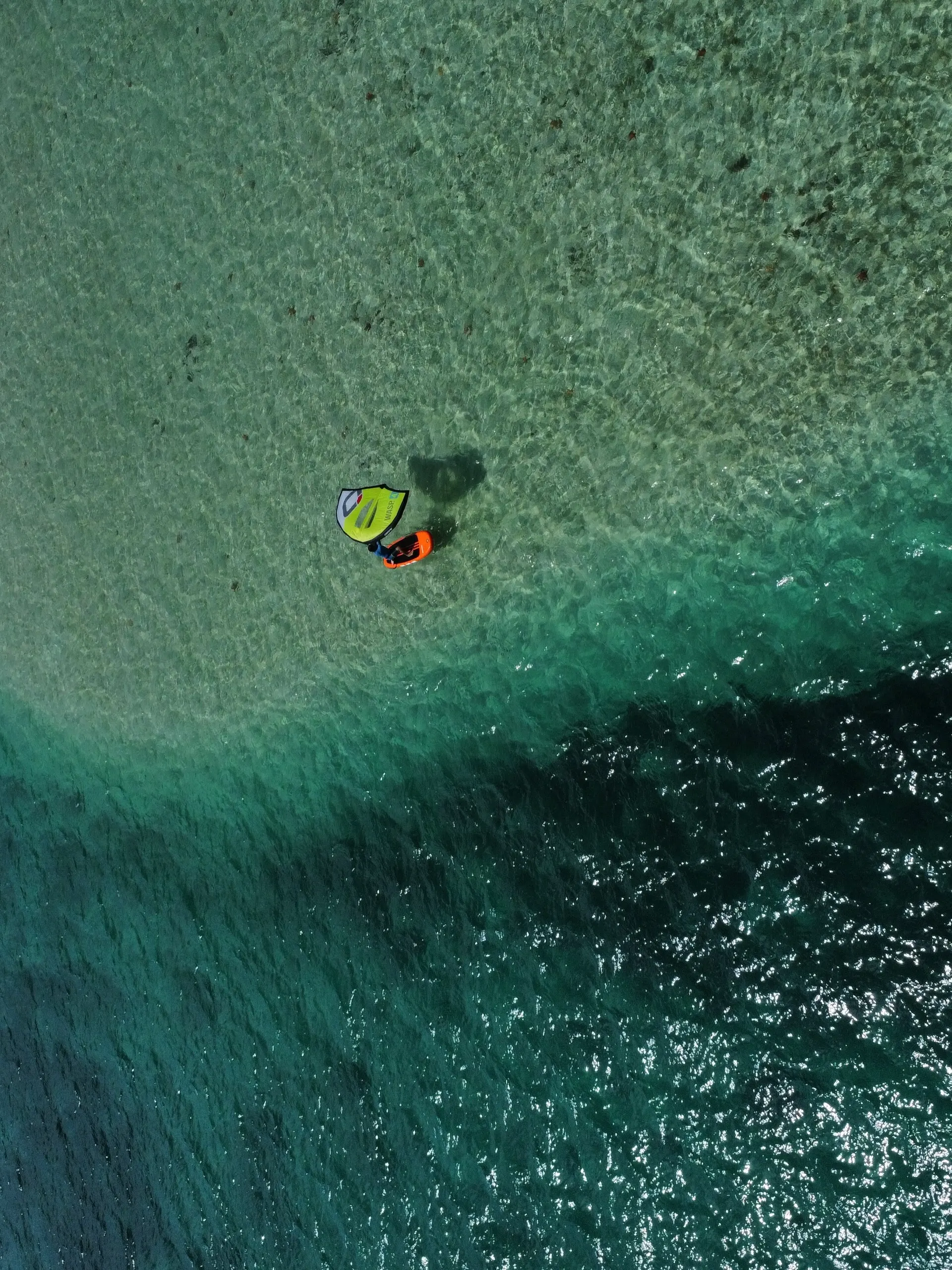
- Starfish are the signature of the sandy shallows, above all at the Natural Pool, where the bottom is pale, the water is waist-deep and they are visible without swimming at all.
- Rays rest on sandy bottoms near reef edges. They are seen most often around Perro Chico and Isla Diablo, but seen is the operative word — they are not a scheduled item.
Being honest about the bigger animals
Dolphins and sea turtles are present in the Caribbean waters off Panama, and people on San Blas boats do encounter them. What no responsible operator will do is promise them. A day tour follows a route between islands at a fixed time of day; whether a turtle happens to be on it is luck, and treating it as an itinerary item would be a lie told for a booking.
Above the waterline
The islands themselves are palm and coastal scrub, not forest, so the land wildlife story is thin by design — the larger forested terrain, and the animals that go with it, sit on the mainland side of Guna Yala rather than on the offshore cays. What you do see everywhere is a working fishing economy: ulus, the dugout canoes still used daily, and nets drying in the sun. They are not a display for visitors; they are how the islands eat.
Watching without damaging
The reef is habitat, not scenery, and the rules that protect it are all physical:
- Reef-safe, biodegradable sunscreen only. Conventional sunscreen chemistry harms coral, and San Blas reefs sit exactly where swimmers float.
- No standing on coral, even for a moment to adjust a mask. Growth broken in a second took decades.
- Nothing leaves the water. Shells, coral fragments and starfish stay where they are.
- Distance from rays and larger animals. Observe from where you are; following an animal changes its behaviour and ends the encounter early anyway.
Frequently asked questions
What will I actually see when I snorkel in San Blas?
Reef fish — parrotfish, sergeant majors, angelfish and damselfish are the usual cast — over shallow coral and around the sunken hull at Perro Chico. In sandy areas such as the Natural Pool, starfish are the main attraction, and rays are an occasional bonus near reef edges.
Will I see sea turtles or dolphins?
Possibly, but never as a guarantee. Both are present in Panama’s Caribbean waters and both are seen from San Blas boats from time to time. Any operator that lists them as an inclusion is overselling a wild animal’s schedule.
Where can I see starfish?
The Natural Pool is the reliable spot. It is a sandbar rather than an island: you wade in from the boat, the water sits around waist height, and the pale sand makes starfish easy to spot without swimming.
Is the coral in San Blas healthy?
It varies with distance from the mainland. Reefs close to Carti carry more boat traffic and show it; the further cays, and Cayos Holandeses in particular, hold the best-preserved coral in the archipelago, which is precisely why that tour exists as a separate, longer trip.
Can I pick up a starfish for a photo?
No. Lifting a starfish out of the water kills it, and the same applies to handling coral or collecting shells. Look at it in the water, photograph it there, and leave it on the bottom.
Is there any wildlife on the islands themselves?
Very little beyond birds and the palms they sit in. The cays are small, low and mostly sand — the forested habitat of Guna Yala, and the land animals that come with it, is on the mainland strip, not on the islands day tours visit.
Ready to plan your trip?
Message us on WhatsApp — a real person helps you plan, no contact form.
Book Now