History of San Blas: The Guna Revolution and Guna Yala's Autonomy
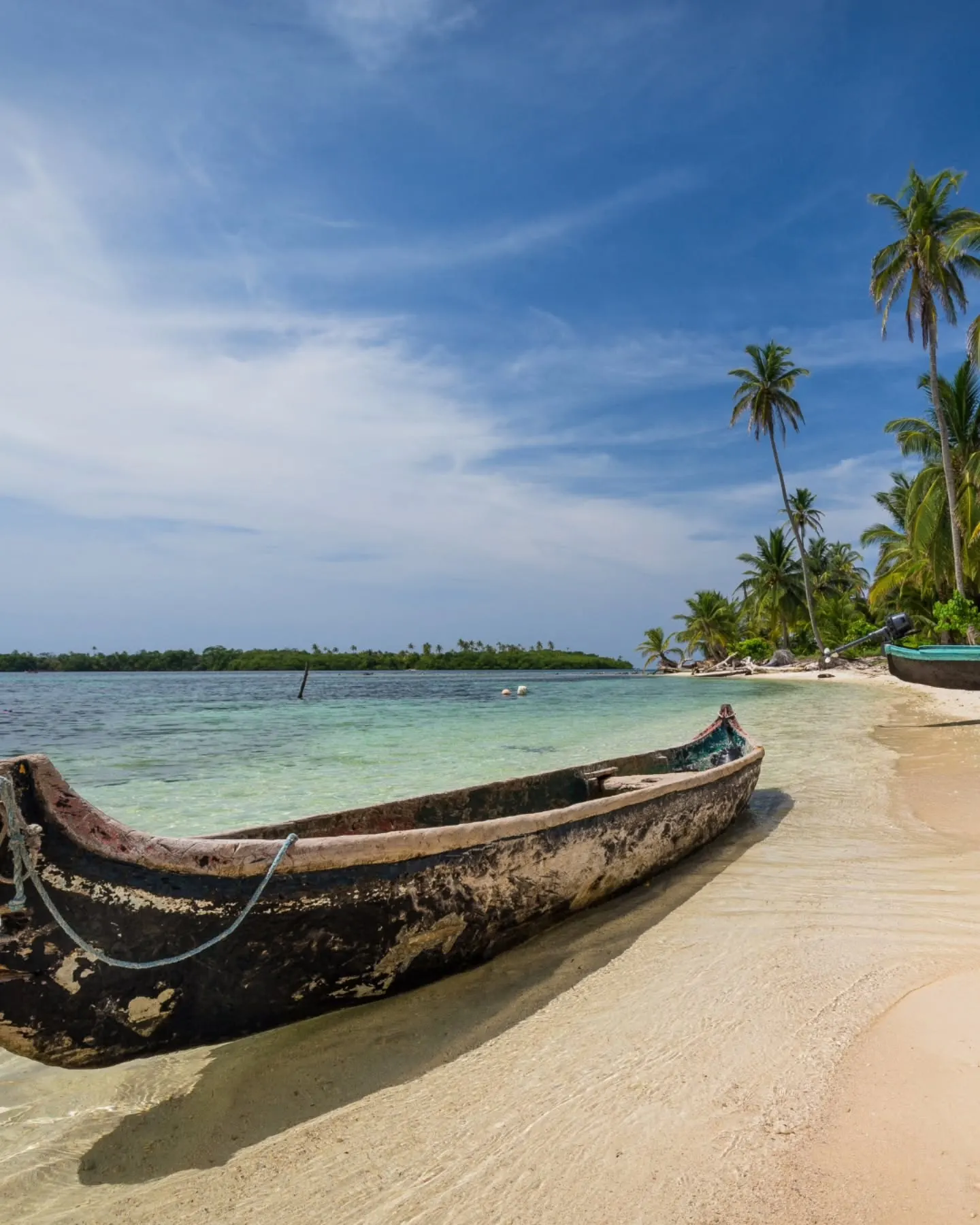
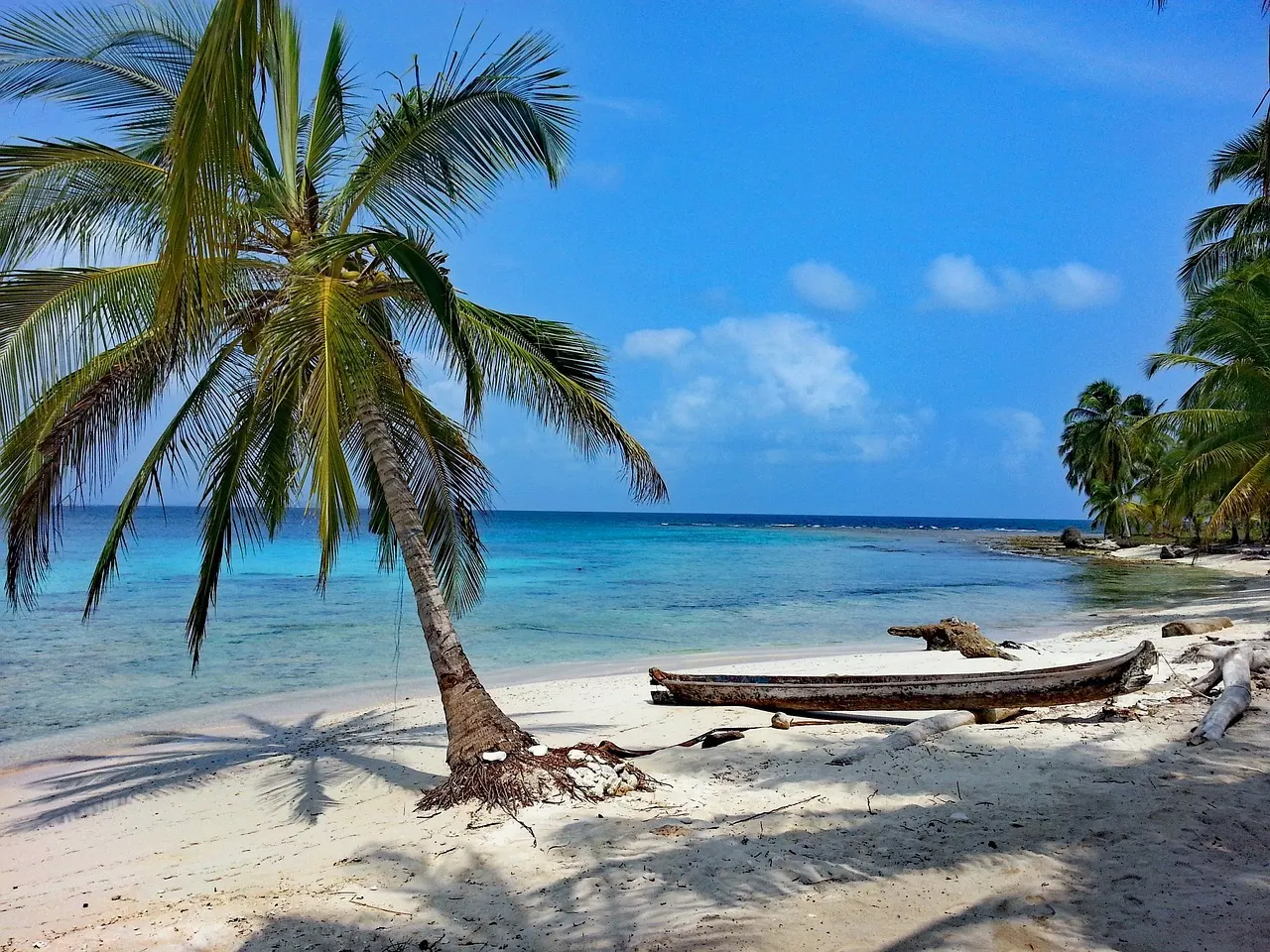
Nearly every article about San Blas opens with the water. The more interesting fact is political: this archipelago is one of the very few places in the Americas where an indigenous people fought a government, negotiated a settlement, and still governs its own territory a century later. The beaches are the consequence of that, not the other way round.
The pressure that built before 1925
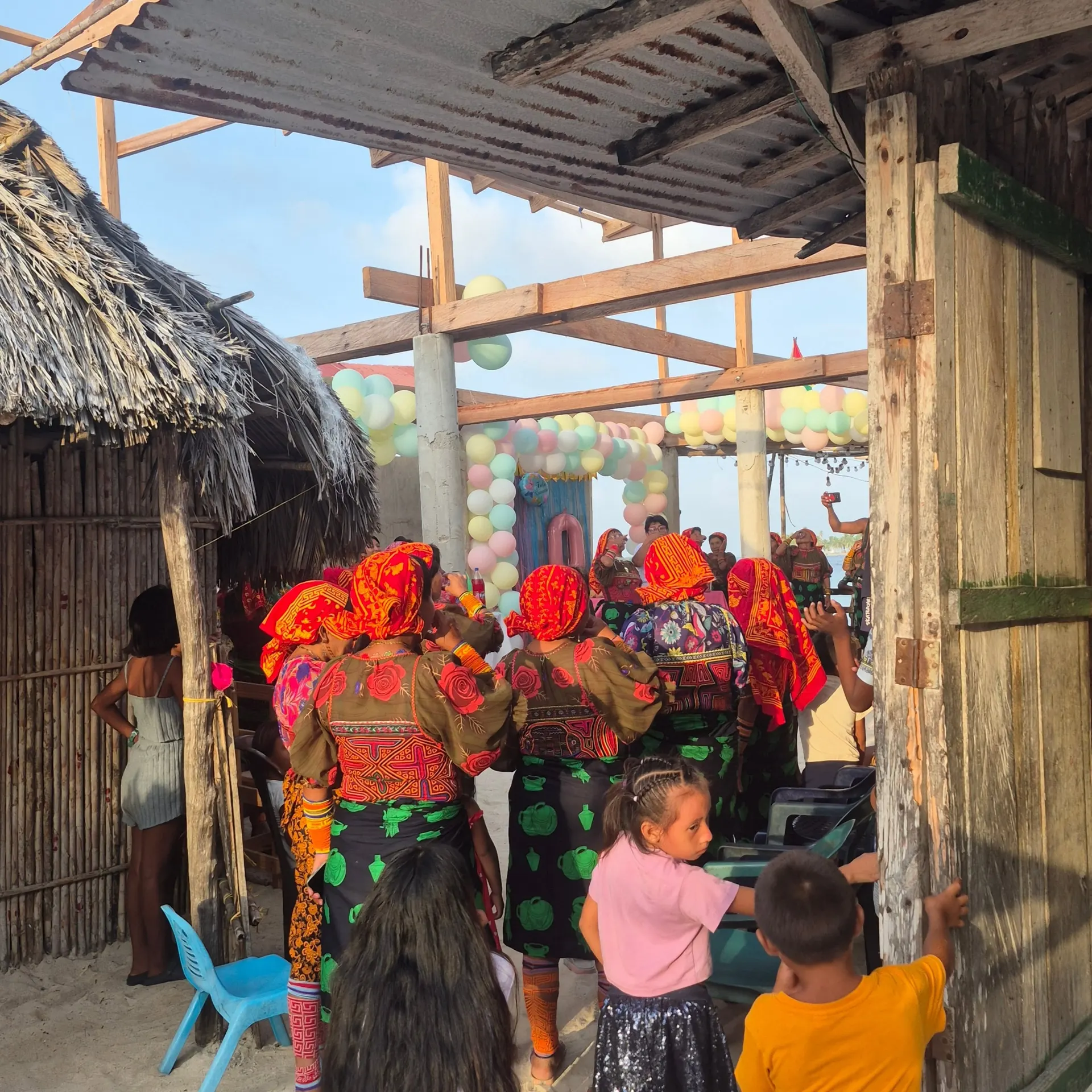
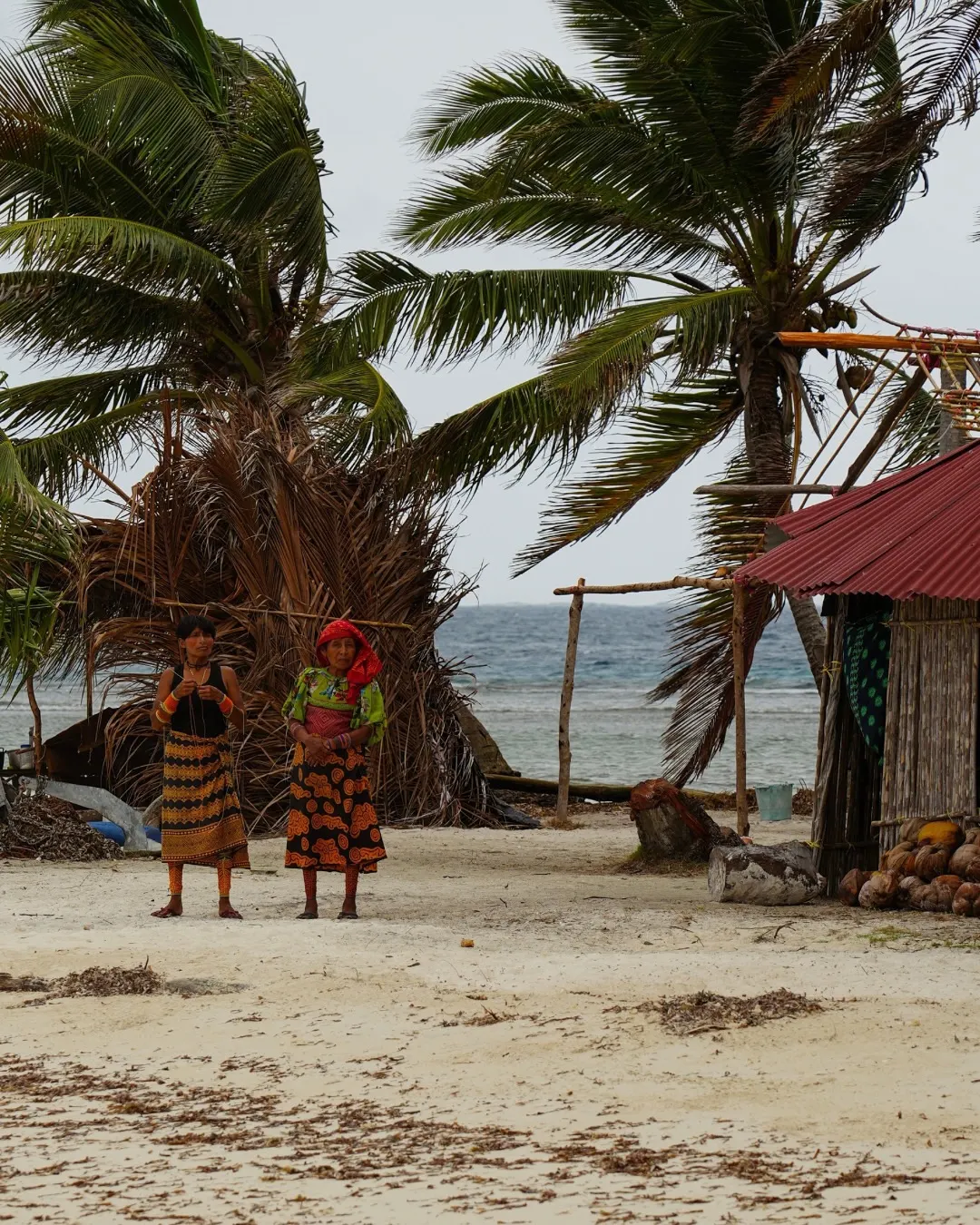
By the early twentieth century the Panamanian state was pushing an assimilation policy onto the Guna. Traditional dress was restricted, ceremonies were discouraged or suppressed, and the Guna political structure — the councils through which decisions had always been taken — was pushed aside. Non-Guna police were stationed on the islands to enforce the new order. The friction built over years, and it was not about land alone: it was about whether the Guna would be permitted to remain Guna.
February 25, 1925
On that date Guna leaders organised an uprising against the Panamanian authorities posted in the islands and retook control of their territory. The revolt was short and it was decisive. What followed mattered as much as the fighting: with mediation that involved the United States, the confrontation moved to negotiation rather than to a prolonged campaign, and the outcome was an agreement between Guna leadership and the Panamanian government rather than a surrender by either side.
What the settlement produced
The agreement recognised Guna authority over Guna land. Over the following decades that recognition was formalised into what exists today: Guna Yala, an autonomous comarca with its own General Congress, its own internal law and its own decision-making power over land use and, later, tourism. The comarca is part of Panama — Guna Yala is not a separate country and its residents are Panamanian citizens — but its internal government is Guna, and that distinction is the whole point.
Why 1925 is still visible on a day trip
You do not have to look for the history here; it is embedded in the mechanics of an ordinary visit:
- The entry tax collected at the edge of the territory is an exercise of sovereignty, not a generic tourist fee. Somebody had to win the right to charge it.
- Every guide, captain and cabin owner being Guna is a direct continuation of that autonomy, not a marketing arrangement.
- The absence of resorts follows from Guna control over land use — the outcome of a political settlement, not of low demand.
- Local rules about photography and residential areas exist because a self-governing people sets its own rules.
Understanding that changes the register of a visit. You are a guest in a territory that argued, fought and negotiated to stay itself, not a customer on a beach that happens to be pretty.
Frequently asked questions
What was the Guna Revolution?
An uprising on 25 February 1925 in which Guna leaders acted against Panamanian authorities stationed in the islands and reclaimed control of their territory, in response to years of policy aimed at suppressing Guna dress, ceremony and self-government.
When did San Blas become autonomous?
The 1925 revolt and the negotiated agreement that followed are the origin point. The autonomy was then formalised over the following decades into the comarca of Guna Yala, with legally recognised Guna authority over the territory.
Who governs Guna Yala today?
The Guna, through their own political structures, including a Guna General Congress and community-level councils. Each inhabited island’s community also sets local rules of its own, which is why customs can differ from one island to the next.
Is Guna Yala independent from Panama?
No. Guna Yala is an autonomous comarca within Panama, and the Guna are Panamanian citizens. What is distinct is internal governance: land use, community life and tourism are decided through Guna institutions rather than provincial administration.
Why does the date 25 February matter?
It is the day the uprising began, and it is remembered as the founding moment of modern Guna self-government. Everything that distinguishes Guna Yala from the rest of Panama’s Caribbean coast traces back to it.
Does any of this affect me as a visitor?
Directly. The community tax you pay, the fact that your guide and boat captain are Guna, the absence of chain hotels and the local rules you are asked to respect are all consequences of that settlement rather than incidental features of the destination.
Ready to plan your trip?
Message us on WhatsApp — a real person helps you plan, no contact form.
Book Now