Guna Culture: What to Know Before You Visit San Blas
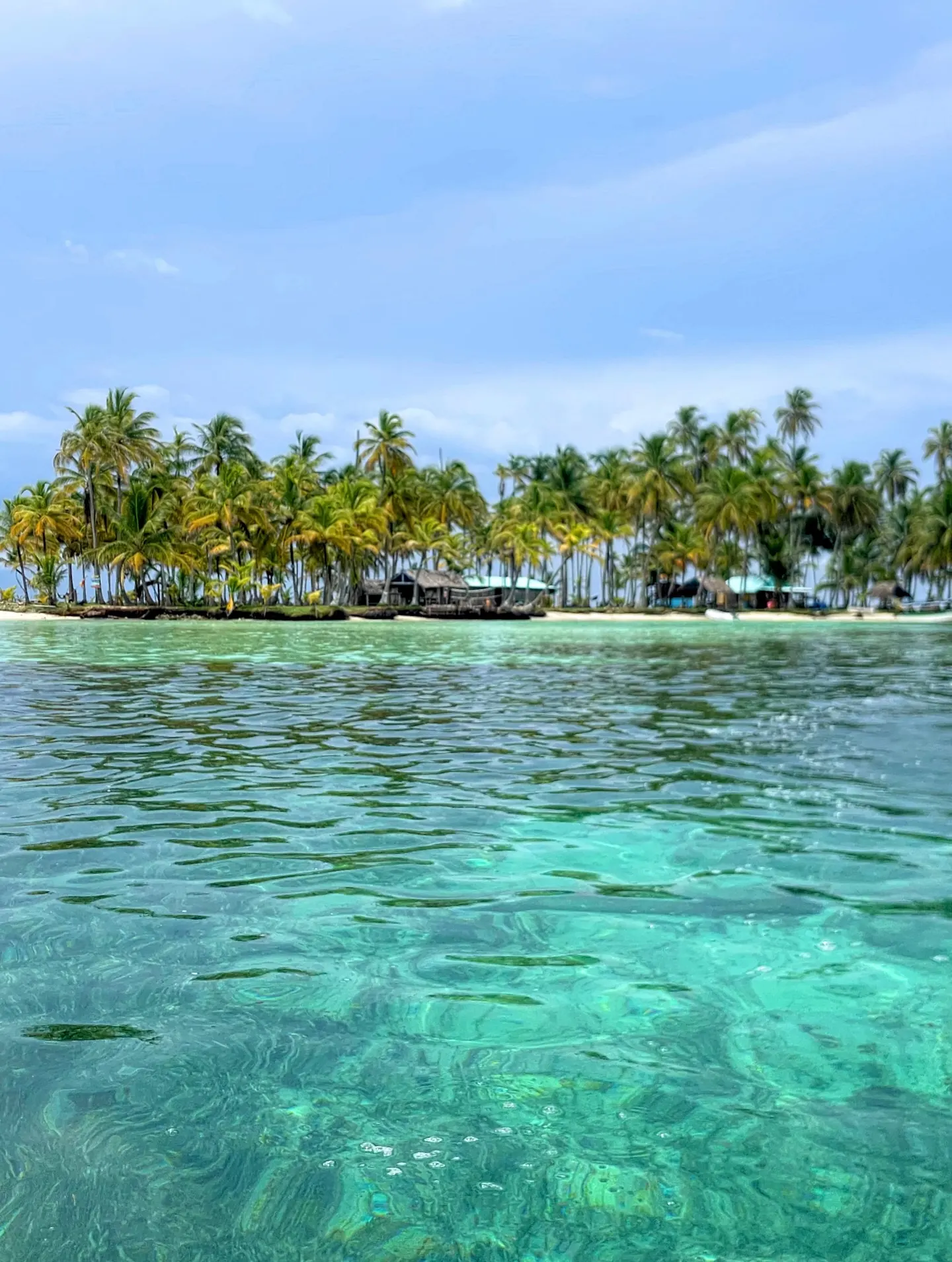
There is a difference between visiting a beach and visiting somebody’s home, and in San Blas the two often happen on the same afternoon. The uninhabited cays are open sand. The community islands are villages, with houses, schools, kitchens and canoes that are in use while you walk past. Knowing which one you are standing on is most of what good behaviour requires here.
Who you are actually visiting
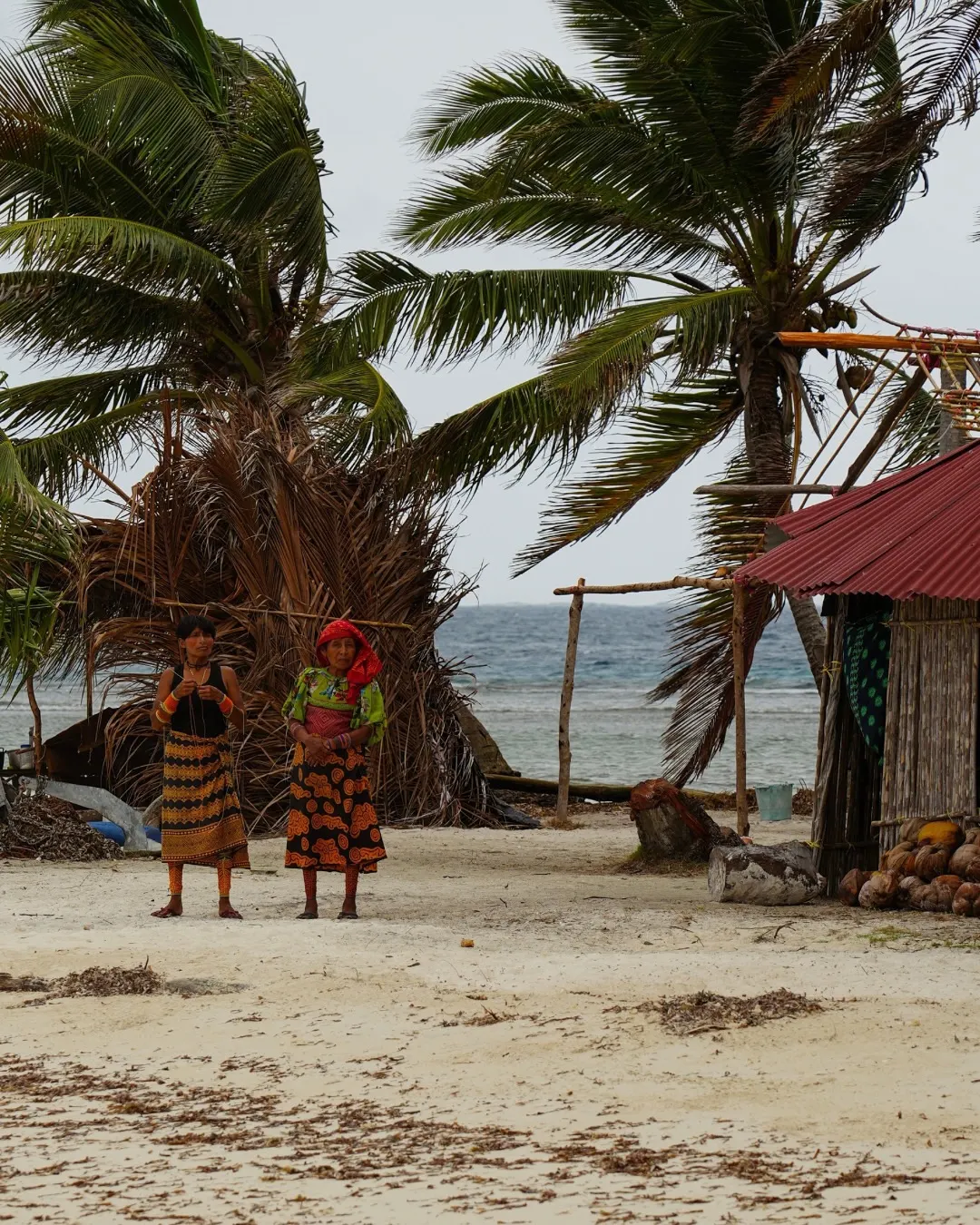
The Guna are one of Panama’s largest indigenous peoples, and the guides, captains, cooks and hosts you meet across a San Blas trip are almost all Guna. That is not an atmospheric detail: it means the person explaining the reef to you also lives on it, and the family serving lunch is the family whose island you are on. Tourism sits alongside fishing and trade here rather than replacing them, which is why an island can feel busy with things that have nothing to do with you.
Molas: a living art form, not a souvenir line
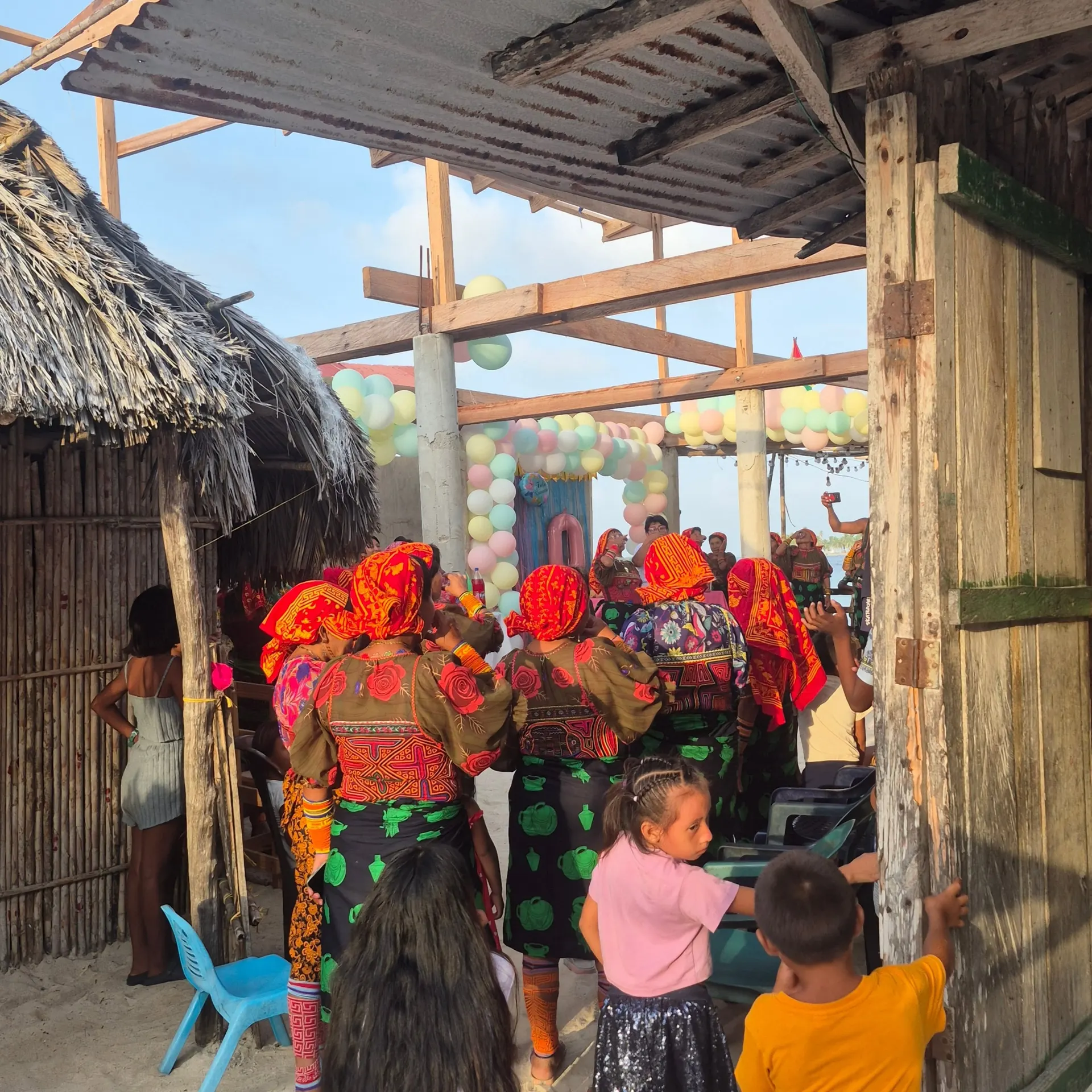
The layered, hand-stitched textile panels called molas are the most recognisable thing Guna culture has exported, and they are still made the way they always were: by hand, by Guna women, as panels for their own everyday blouses before they are anything a visitor buys. A good mola takes weeks of stitching, which is the honest answer to why prices vary so much between one stall and the next — you are looking at hours, not at a print run.
Buying directly from the woman who made it is the cleanest transaction available on the islands. There is no intermediary, no import chain, and the money stays exactly where you handed it over.
Photography: one question changes everything
Ask first. Houses, canoes, drying nets and children are not scenery, and the difference between a photograph someone agreed to and one taken from a boat is entirely the asking. Most people say yes; some say no, and no is a complete answer. The same applies to interiors and to ceremonies, which are not performances laid on for visitors.
What is public and what is not on a community island
- Paths and the shoreline are generally fine to walk.
- Residential areas may be marked off, and where they are, the boundary is meant literally rather than decoratively.
- Your guide is the reference point. They live under these rules and will say plainly where a group should and should not go.
- Traditional dress is dress, not costume — worn because it is worn, not because a boat arrived.
Small things that land well
Learning a greeting, buying from more than one seller rather than bargaining hard with the first, taking your rubbish back to the boat, and keeping voices down near houses at midday all cost nothing and are noticed. So is asking your guide questions about the community itself rather than only about the snorkelling.
Frequently asked questions
What language do the Guna speak?
The Guna have their own language, which is what you will hear spoken among families on the islands. Spanish is widely used as well, and the guides working with visitors switch between the two comfortably.
Can I take photos of Guna people?
Only if you ask and they agree. A quick, friendly request is the whole protocol — and if the answer is no, that is the end of it. Landscapes, beaches and your own group need no permission.
What exactly is a mola?
A mola is a hand-stitched textile panel built from layers of cut fabric, traditionally made and worn by Guna women as part of their blouse. What is sold to visitors is the same art form, made by the same hands, and each one is individually stitched rather than produced in a run.
Is it respectful to visit a Guna community at all?
Community visits are part of several tour itineraries and are hosted by the communities themselves — they are a source of income the comarca has chosen to have. What makes a visit respectful is behaviour once you are there: asking before photographing, staying where visitors are welcome, and buying directly from artisans.
What should I wear on an inhabited island?
Swimwear is fine on the uninhabited cays. When you are walking through a village, throwing on a shirt or a cover-up is ordinary courtesy — the same instinct you would apply walking through a residential street anywhere.
Do I need cash to buy crafts?
Yes. There are no card terminals and no cash machines anywhere in the territory, so anything you plan to buy — molas, drinks, snacks — has to be paid for with cash you brought in with you.
Check dates and prices on our booking siteOpens on our sister site · sanblastourspty.comReady to plan your trip?
Message us on WhatsApp — a real person helps you plan, no contact form.
Book Now